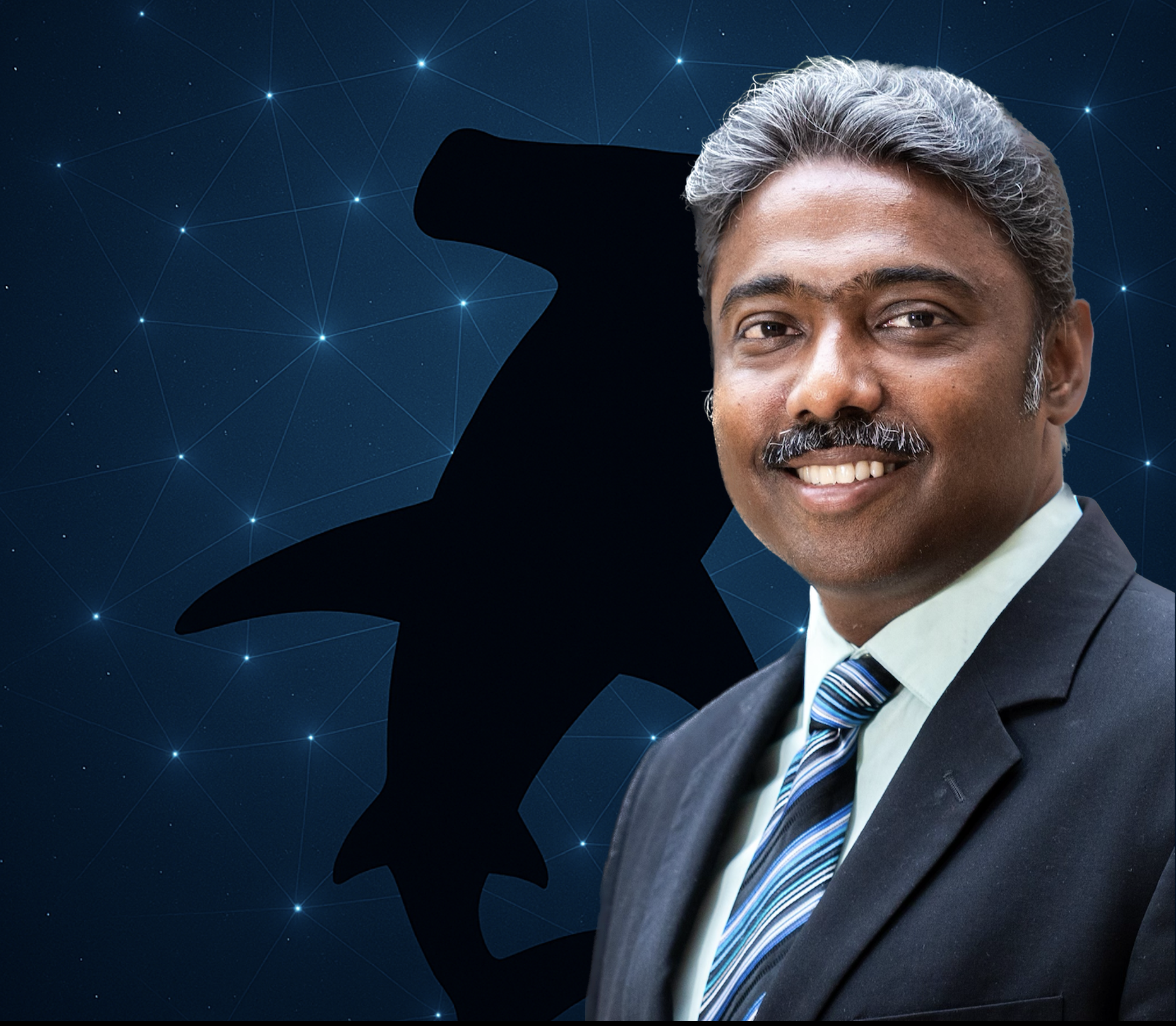
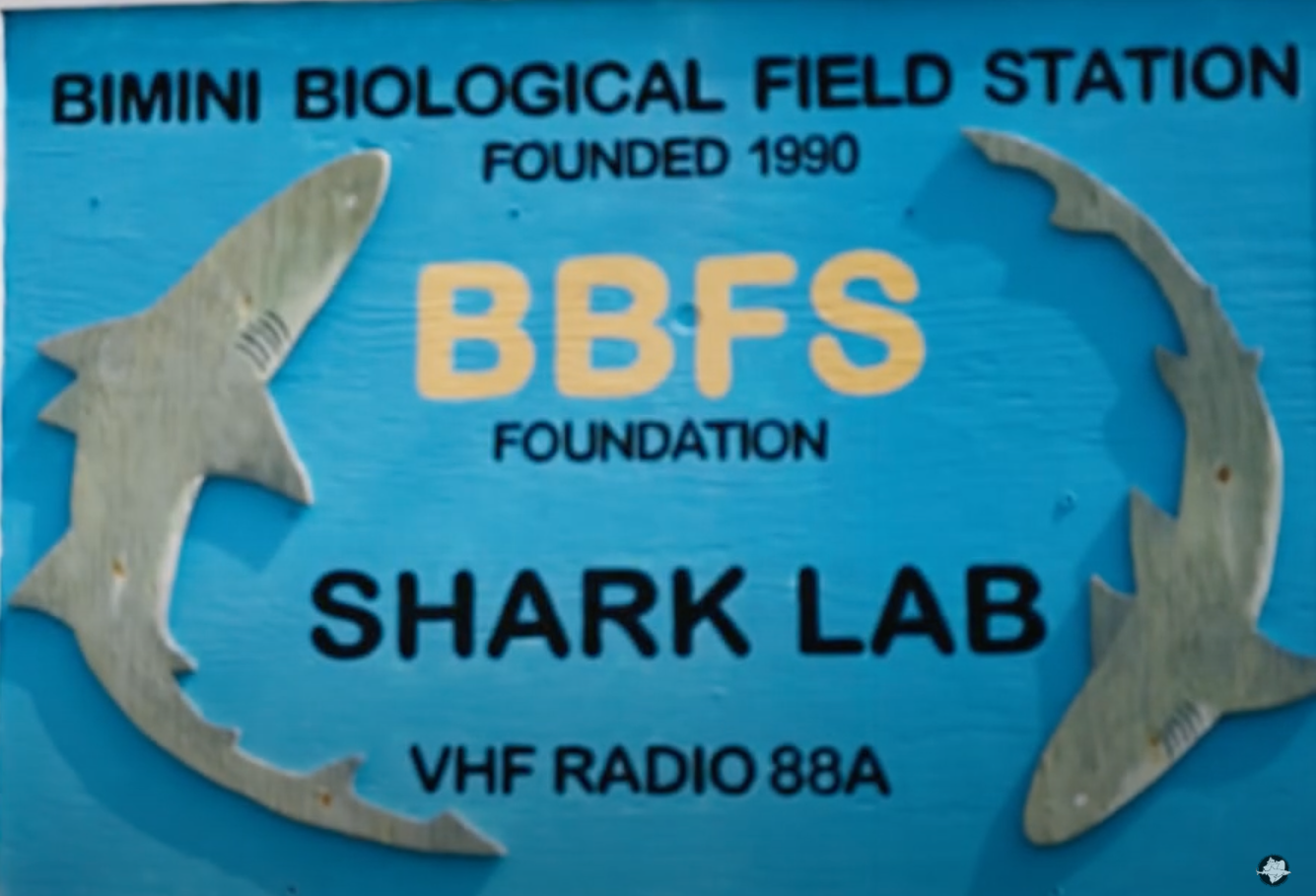
The start of my career began with sharks at sea. In 1997, following graduation with a B.S. in Zoology from the University of Chennai, I embarked on a journey as a Shark Biologist at the renowned Bimini Biological Field Station in the Bahamas, alongside my then-girlfriend, now-wife, Sangeetha Paul.
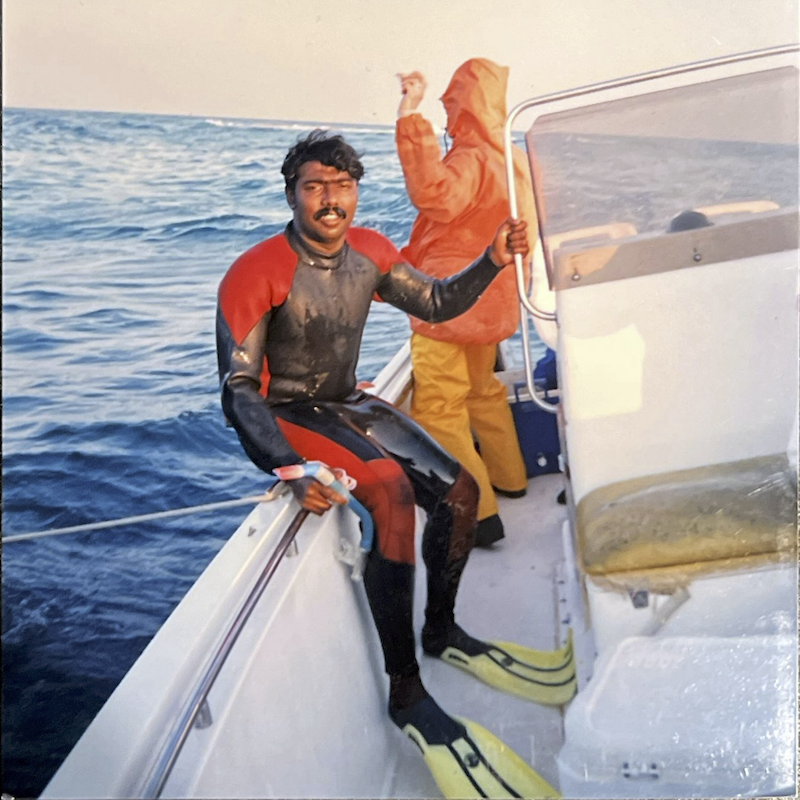
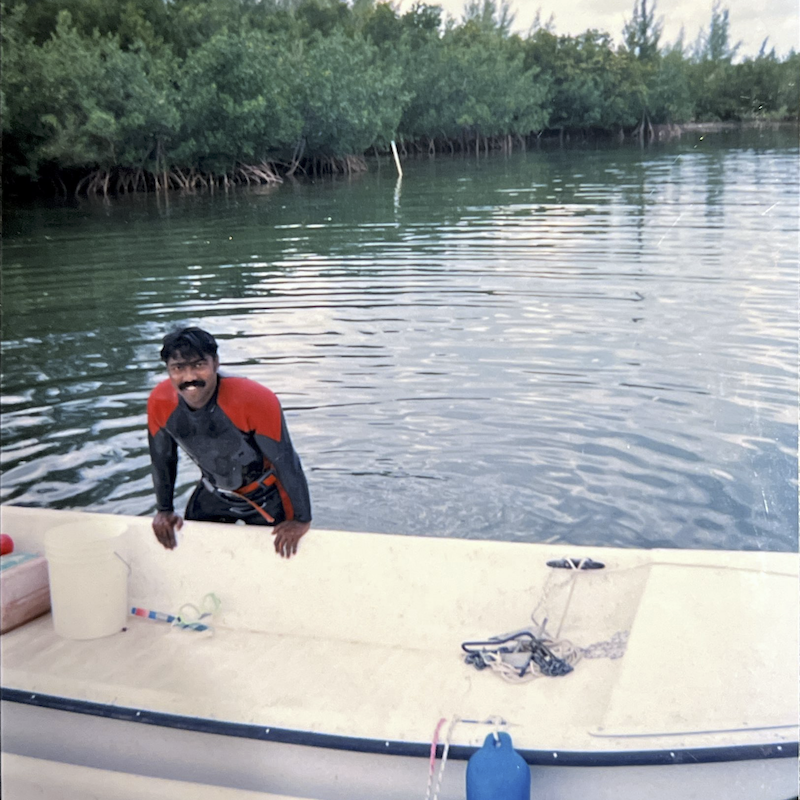
Mano Paul preparing for shark telemetry dive
We studied under the mentorship and guidance of the renowned Dr. Samuel Gruber (“Doc”), founder of the American Elasmobranch Society and Professor at the University of Miami’s Rosenstiel School for Marine and Atmospheric Science.
Our research focused on the breeding patterns and homing and navigation behavior of Negaprion brevirostris (Lemon Sharks) in the Bimini waters. As part of our field studies, we performed exhilarating shark dives and deployed innovative acoustic telemetry techniques to map their movements—providing invaluable insights into these magnificent apex predators long before the advent of modern computer vision or LIDAR.
Sangeetha Paul (far right) and Mano Paul next to Dr. Samuel Gruber ("Doc")
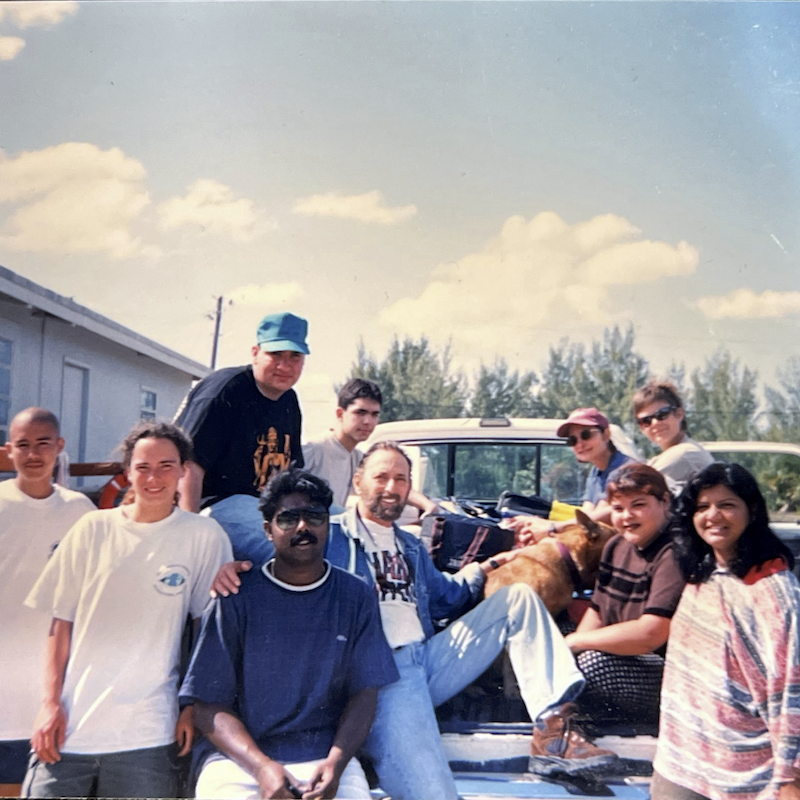
Photographic archive from the 1997 shark behavioral research expedition in Bimini, Bahamas.
The field vehicle that transported researchers from the laboratory to the ocean slipway.
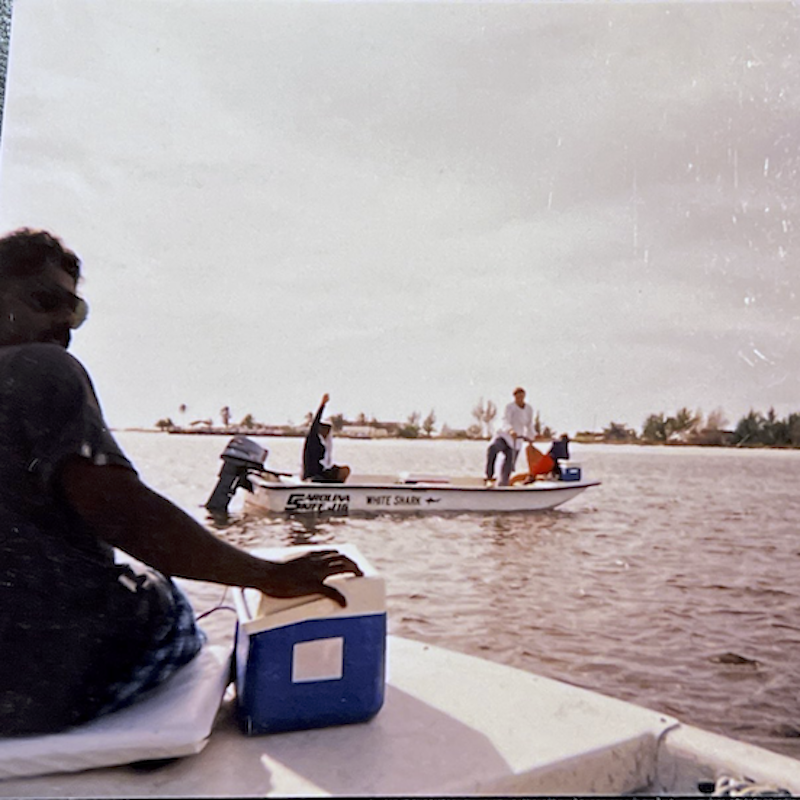
Specialized flat-bottom skiffs deployed for tracking tagged lemon sharks through mangrove nursery creeks.
Daily marine tracking runs plotting real-time navigational and acoustic telemetry patterns.
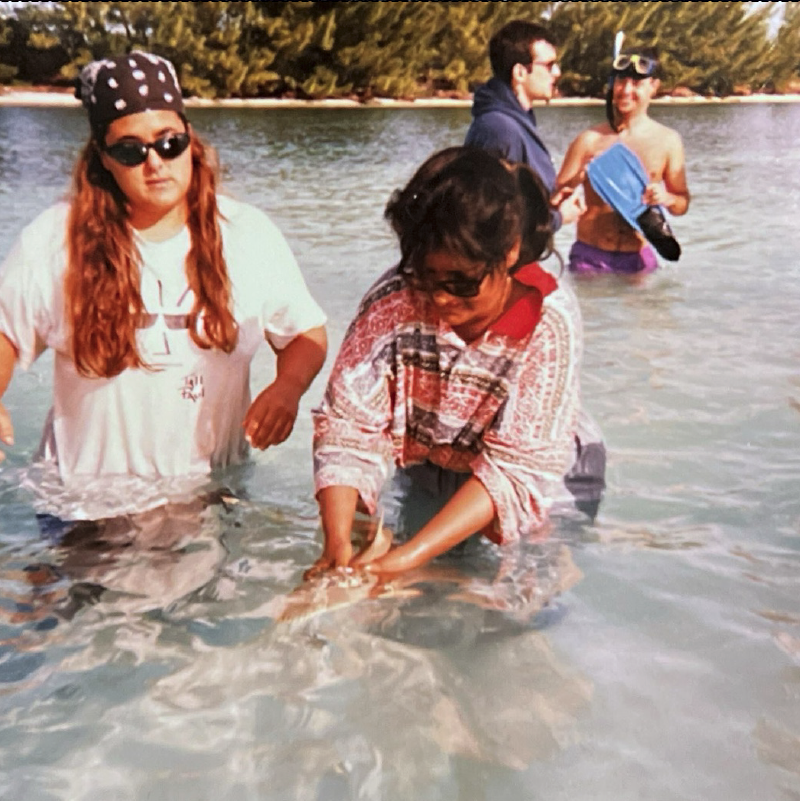
Researcher Sangeetha transferring a juvenile lemon shark pup to the holding pen for data logging and release.
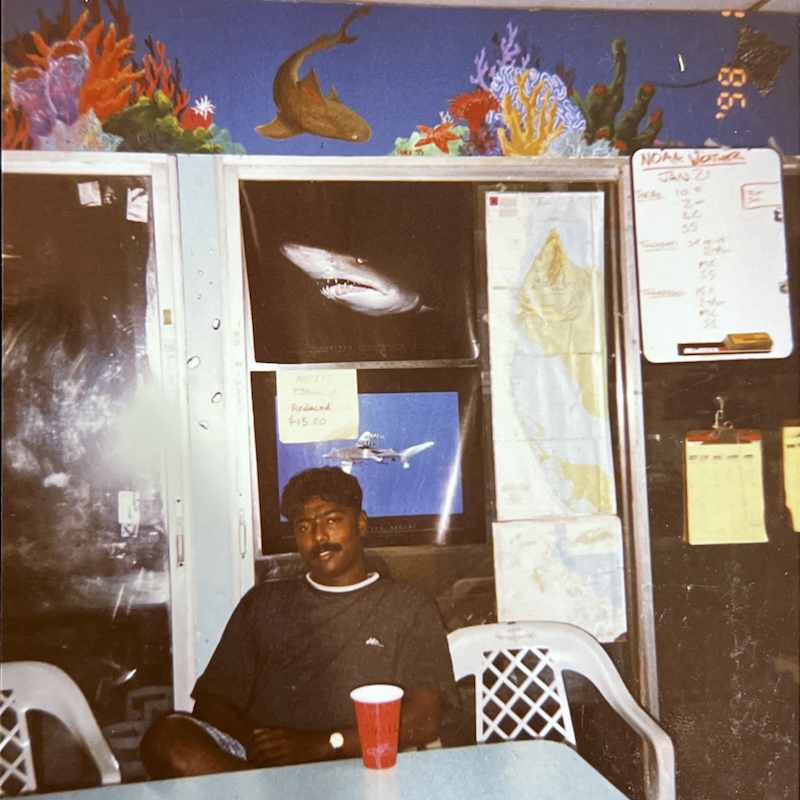
Laboratory data synthesis, telemetry analysis, and elasmobranch physiological studies.
Open-water behavioral observations of wild shark populations in the crystalline Bahamas shelf.
South Bimini research outpost established by Dr. Samuel "Doc" Gruber.
Historic headquarters and biological research facilities in South Bimini, Bahamas.
The symbolic transition from marine biology field research to executive cyber defense.
The premier insights publication exploring AI, cybersecurity, and tech leadership.
How the study of marine apex predators shaped three decades of cybersecurity excellence.
Sharks taught me the paramount importance of curiosity. In marine research, every deviation in a shark’s telemetry signaled environmental stimuli or migratory triggers. In cybersecurity and AI, curiosity drives root-cause analysis—uncovering the latent vulnerability or prompt leakage before malicious actors exploit it.
In the open ocean with apex predators, complacency is perilous. You respect the animal, respect the environment, and adhere strictly to protocol. In enterprise technology, measured caution translates to defense-in-depth, zero-trust privilege boundaries, and thorough security code audits.
Studying marine life demands improvising in volatile weather conditions and unexpected animal behaviors. Translating that to enterprise cybersecurity, static rulebooks fail against adaptive adversaries. True security requires creative resilience and dynamic threat modeling.